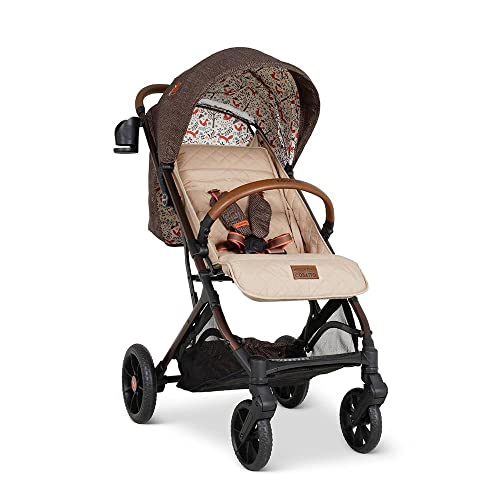
Exploring Off-Road Travel Systems: Your Guide to Adventure
Off-road travel offers a thrilling escape from the mundane, allowing adventurers to check out rugged terrains, spectacular landscapes, and remote environments. Whether for entertainment or energy, off-road travel systems include cars, devices, and preparation methods that facilitate these journeys into the wild. This post will explore the crucial parts of off-road travel systems, tips for planning your experience, and often asked questions to help you browse this thrilling world.
Comprehending Off-Road Travel Systems
An off-road travel system consists not simply of the automobiles themselves however also the equipment, tools, and strategies necessary for effective off-roading. This system can consist of:
- Off-Road Vehicles: These are specially designed to withstand rough surfaces. Common examples consist of trucks, SUVs, ATVs, and motorcycle.
- Security Equipment: Essential for guaranteeing a safe journey, including helmets, emergency treatment packages, and healing equipment.
- Navigation Tools: GPS gadgets, maps, and compasses that help in precisely outlining a course through unknown areas.
- Outdoor camping Gear: For extended journeys, camping gear becomes essential. This consists of camping tents, cooking equipment, and other fundamentals.
- Maintenance Tools: Off-road vehicles can suffer wear and tear; therefore, a toolkit for on-the-go repairs is essential.
Secret Components of Off-Road Travel Systems
Below is a comprehensive table illustrating the important components of a comprehensive off-road travel system:
| Component | Description | Key Examples |
|---|---|---|
| Off-Road Vehicles | Cars developed for rough, uneven surfaces | Trucks, SUVs, ATVs, motorcycle |
| Safety Gear | Equipment to secure and respond to injuries | Helmets, emergency treatment packages, safety belt |
| Navigation Tools | Gadgets or tools to assist browse the terrain | GPS systems, physical maps, compasses |
| Outdoor camping Equipment | Gear for comfortable over night stays in the field | Camping tents, sleeping bags, cooking products |
| Maintenance Tools | Equipment required for automobile upkeep during the journey | Tire repair work kits, wrenches, oils |
Preparation Your Off-Road Adventure
Planning an off-road adventure includes cautious consideration of numerous elements to optimize the experience while ensuring safety. Below are necessary actions to consider:
- Research Your Destination: Understand the terrain, ease of access, and prospective difficulties.
- Select the Right Vehicle: Select an automobile that matches the terrain and the size of your group.
- Prepare Your Equipment: Make sure your lorry is fully geared up with the right safety gear, navigation tools, and camping supplies.
- Develop a Detailed Itinerary: Include your route, estimated travel times, and stopping points.
- Inform Others of Your Plans: Always let somebody know your schedule in case of emergency situations.
- Load Smart: Bring only what you require to save space and weight but guarantee you have all basics.
- Examine Weather Conditions: Keep upgraded on weather projections to get ready for prospective environmental challenges.
Frequently Asked Questions (FAQ)
1. What type of lorry is best for off-road travel?
The best automobile depends upon the terrain and purpose of the trip. Typically, four-wheel drive trucks or SUVs are popular for their power and storage capability, while ATVs are favored for more treacherous terrains.
2. Is off-road travel safe?
Off-road travel can be safe if effectively prepared. Ensure you have the right equipment, know your car, have a map of the area, and are gotten ready for emergencies.
3. Do I need an unique license for off-road driving?
Licensing requirements vary by place. In many locations, a basic chauffeur's license suffices, but some locations might need special licenses for particular cars.
4. What are important safety items to carry?
Fundamental security items include a very first help kit, extra water, fire-starting materials, a flashlight, and tools for minor lorry repairs.
5. Can I camp while off-roading?
Yes, camping is a popular activity connected with off-roading. Ensure to examine policies for outdoor camping in the area and adhere to Leave No Trace concepts to reduce your influence on nature.
Off-Roading Etiquette
While the excitement of off-roading can be liberating, it's important to follow specific guidelines to guarantee accountable usage of the environment. Here's a list of off-roading etiquette tips:
- Stay on Established Trails: This minimizes environmental deterioration and protects wildlife environments.
- Be Respectful to Others: Acknowledge other travelers and follow proper speed limitations.
- Avoid Creating Noise Pollution: Excessive noise can interrupt wildlife and other visitors.
- Leave No Trace: Carry out what you bring in; respect the natural landscape.
- Understand Local Laws: Stay updated on local regulations and follow them.
Off-road travel systems use more than just an experience; they supply a gateway to get in touch with nature and explore the outdoors. By understanding All Terrain Travel System , planning carefully, and keeping safety in mind, anybody can embark on the exciting journey that off-roading deals. Whether passing through rocky mountains or travelling through sandy deserts, the off-road community welcomes anybody ready to accept the adventure of experience. So gear up, buckle in, and take the road less traveled-- nature is waiting on you!